If you know anything about important events in the history of Native Americans and the United States, chances are you’re familiar with the Battle of the Little Big Horn – also known as Battle of the Greasy Grass – and the defeat of George Custer (born in Ohio in 1839) and his 7th Cavalry. It is widely remembered and celebrated across Indian Country and among Urban Native communities as a standard of Indigenous unity and resistance against what today is commonly assumed to be the unstoppable tide of United States settler colonialism. It is a day worth commemorating, but there is another that most people Native and non-Native alike have no memory of. And it happened in the land called Ohio today.
Ohio has always held a ‘special’ place in the hearts, minds, and pockets of the settler colonies. Land speculation over some 200,000 acres of land in the area helped to make people like George Washington and Thomas Jefferson incredible amounts of wealth, until it was banned by the Crown in 1763, and King George was suddenly viewed by many would-be settlers and land speculators as a tyrant. This Proclamation was one of the foundations of resentment that led to the American War of Independence. After the end of the war, the United States teetered on the brink of economic collapse. Their solution? Sell off Indigenous land that they acquired in the Treaty of Paris (that no Native leader was even present during the negotiations or signing). And thus, the Ohio Territory was re-opened to a flood of violent settlement and the displacement of Native communities.
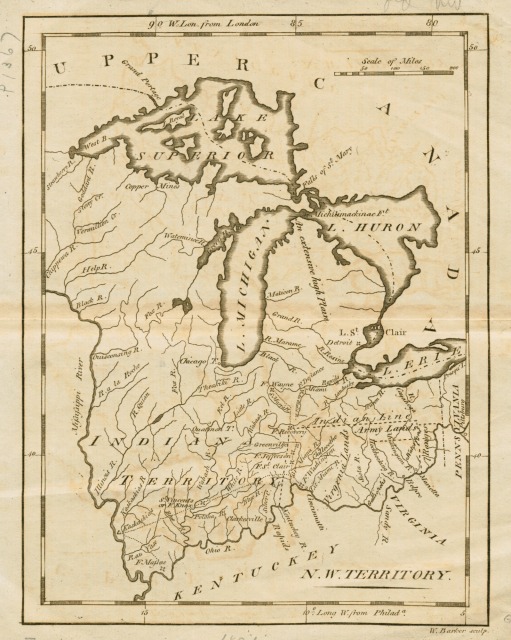
By 1785, the anticolonial resistance of a multiethnic confederation of Native American tribes, called the Northwestern Confederacy or sometimes the Miami Confederacy, brought the might of the US military to Ohio Country. In October 1790, The Commanding General of the United States, Josiah Harmar, marched across Ohio. His army burned towns and any cropland they encountered to try and subdue to confederation. After a series of battles at the end of the month, Harmar’s army was turned back and Harmar lost his command as the head of the US military. The man who took his position was none other than the governor of the so-called Northwest Territory, and the man who passed the Northwest Ordinance during his term as the President of the Continental Congress: Arthur St Clair.
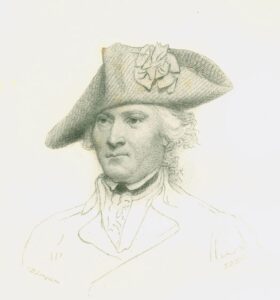
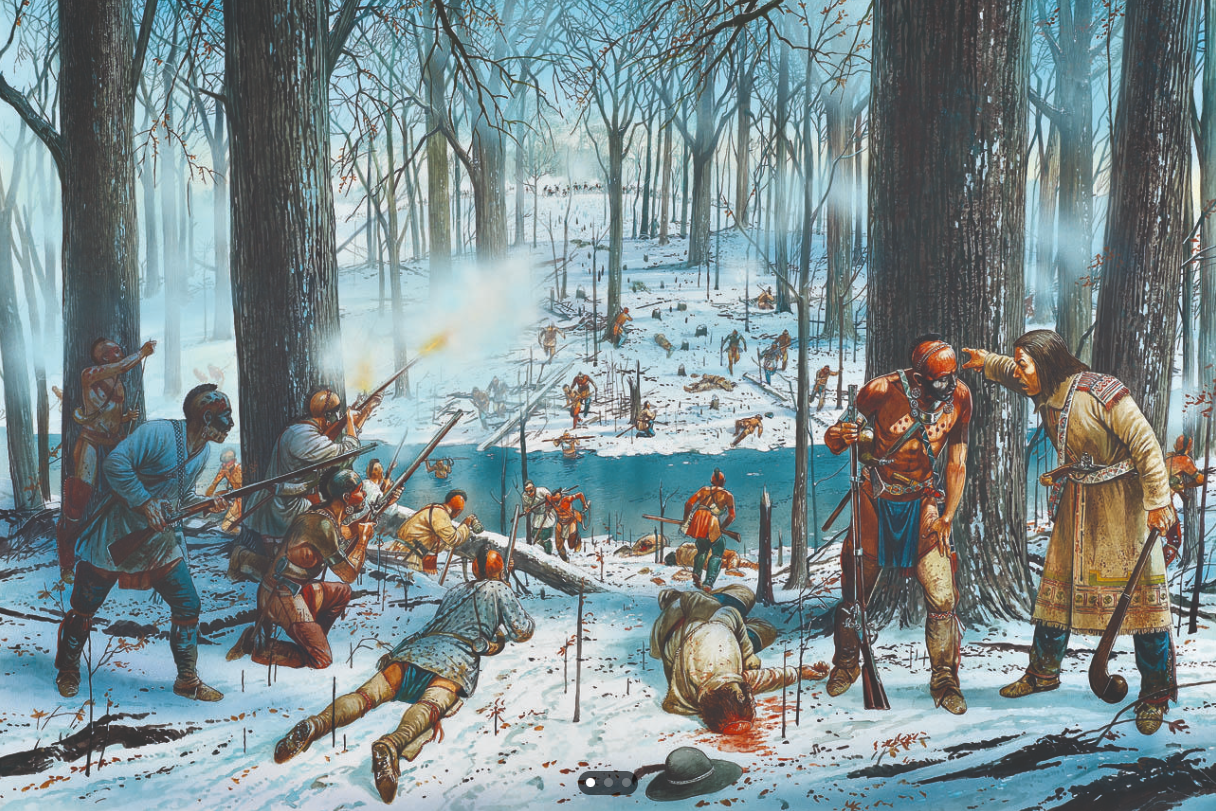
In 1791, Congress doubled the size of the US military and after enlisting hundreds of Kentucky militiamen in support, General St Clair set out to remedy Harmar’s failure. Following George Washington’s command, St Clair proceeded on his own campaign of terror and destruction. While raids began in the spring, it wasn’t until October that the full strength of the US military set out from Ft Washington (Cincinnati today) to march on the capital of the Miami Nation, Kekionga. The army struck northwards and came to camp at the headwaters of the Wabash River. On the morning of 4 November, a confederation force of Miami, Shawnee, Lenape, Odawa, Potawatomi, Seneca, Ojibwe, Cherokee, and Wyandot launched a multi-pronged attack on the camp. Within three hours, the US military was utterly routed. St Clair’s force suffered a casualty rate of 97% (around 70% died in the battle and rout). Fully one quarter of the United State military was destroyed on the banks of the Wabash in Ohio. It is still the single worst loss the US has ever suffered; and it happened at the hands of and Indigenous confederation, united in resistance.
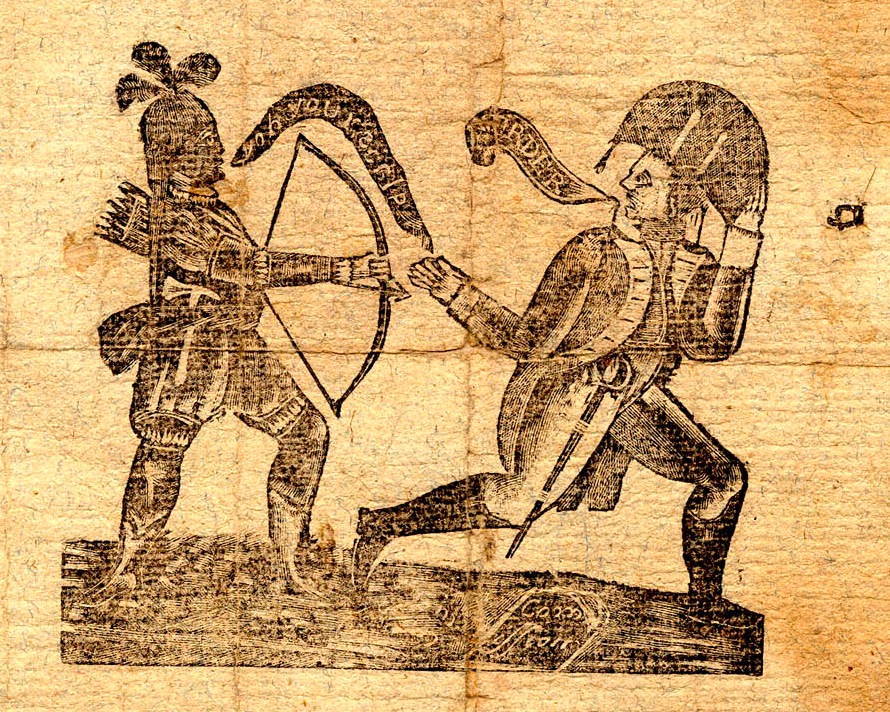
The architects of St Clair’s Defeat were the same who crushed Harmar the year previous. Notable leaders were Little Turtle (Miami), Blue Jacket (Shawnee), Buckongahelas and Captain Pipe (Lenape), Egushawa (Odawa), Tarhi (Wyandot), and Simon Girty a settler who had been adopted by the Lenape. As if Harmar’s Defeat wasn’t shocking enough, The Battle of the Wabash, called St Clair’s Defeat, sent a wave of existential dread throughout the new settler state. Native American resistance repeatedly thwarted the young republic; the unity of the confederation meant US defeat and humiliation. And so, the US took another approach.
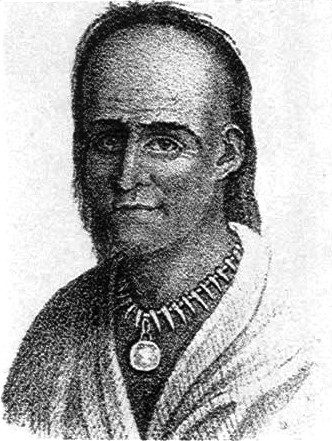
Agents of the United States began to make their way into the Great Lakes. There they sought to negotiate with individual tribes and leaders. They sought to drive wedges between men and nations, particularly between Little Turtle and Blue Jacket. In one settlement agents would speak of the success of the ‘Miami Confederacy’, and in another they would speak about the great victories won by Blue Jacket. US agents sewed disunity and leaned into the egos of men. By the time the US military recovered its losses, they encountered a much more fractured confederacy, which ultimately dissolved in 1794 following the British betrayal of the confederation that ended in US victory at Fallen Timbers (near modern Toledo, Ohio).
Today we remember the Battle of the Wabash and St Clair’s Defeat. We celebrate the brave and ingenious resistance that was staged by a united front of Indigenous Peoples. Not only did multiple Native Nations come together in their resistance to settler expansion, but Black freedomseekers and adopted settlers joined in arms against colonial aggression. We honour their collective struggle, in defense of their homes, their rights, and their ways of being. So, too, the aftermath of this victory calls us to remember to abandon our egos and to refuse those actors who seek the opportunity to break us apart. These are lessons for all of us who work for a better future to hold in our hearts and minds. The Battle of the Wabash should be celebrated. It should be lifted up and honoured as an example for Indigenous People and those who stand for Indigenous Rights, reminding us that if we are united in cause and resist division, then nothing can defeat us.
Remember the Wabash